

What is Bladder Exstrophy?
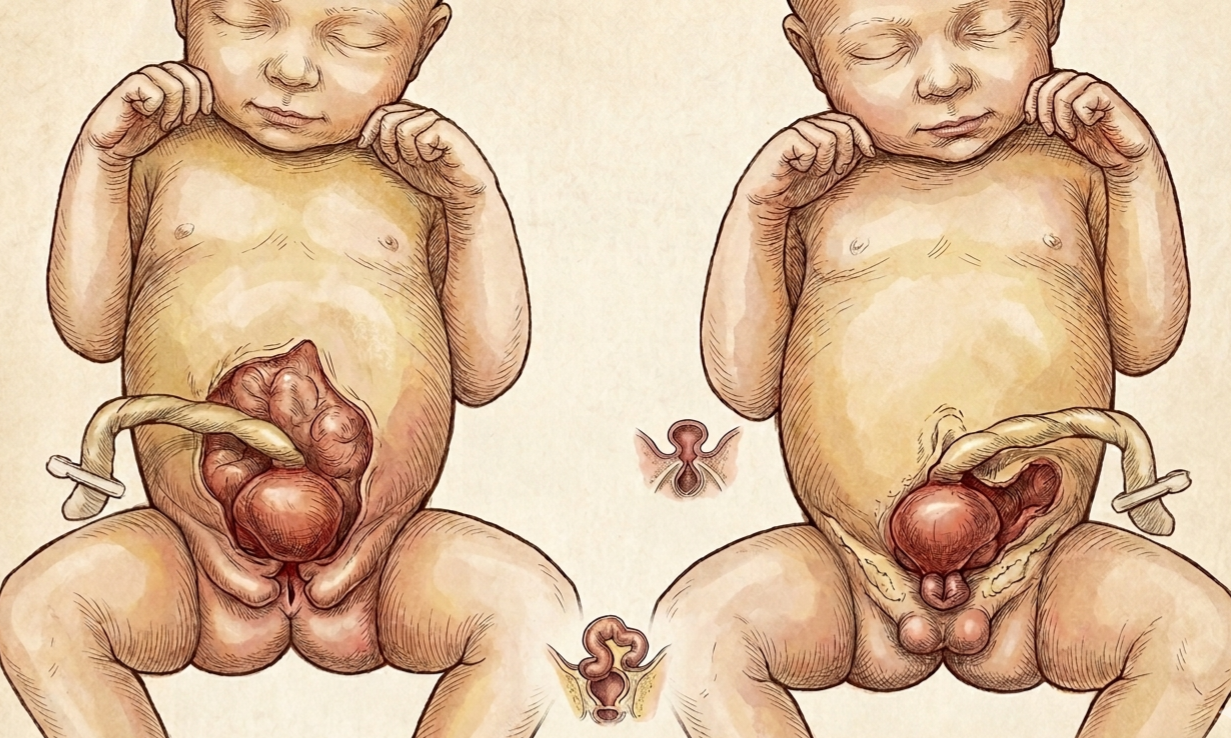
Bladder exstrophy is a rare birth defect in which the bladder and the lower part of the abdominal wall do not form completely. As a result, the bladder is open and exposed on the outside of the body, causing urine to leak out continuously. This condition is part of the exstrophy-epispadias complex and is often accompanied by abnormalities in the genitals and pelvic bones.
Bladder exstrophy is very rare. According to various studies, the condition occurs in approximately one in every 30,000–50,000 live births and is more common in boys than in girls.
How is the condition diagnosed?
In most cases, the diagnosis is made immediately after birth, as the bladder lining is visibly exposed on the lower abdomen. In some cases, it can be detected via ultrasound during pregnancy.
What are the signs?
Children with bladder exstrophy may exhibit the following conditions:
• The bladder being located outside the body;
• Inability to hold urine (urinary incontinence);
• Separation of the pelvic bones;
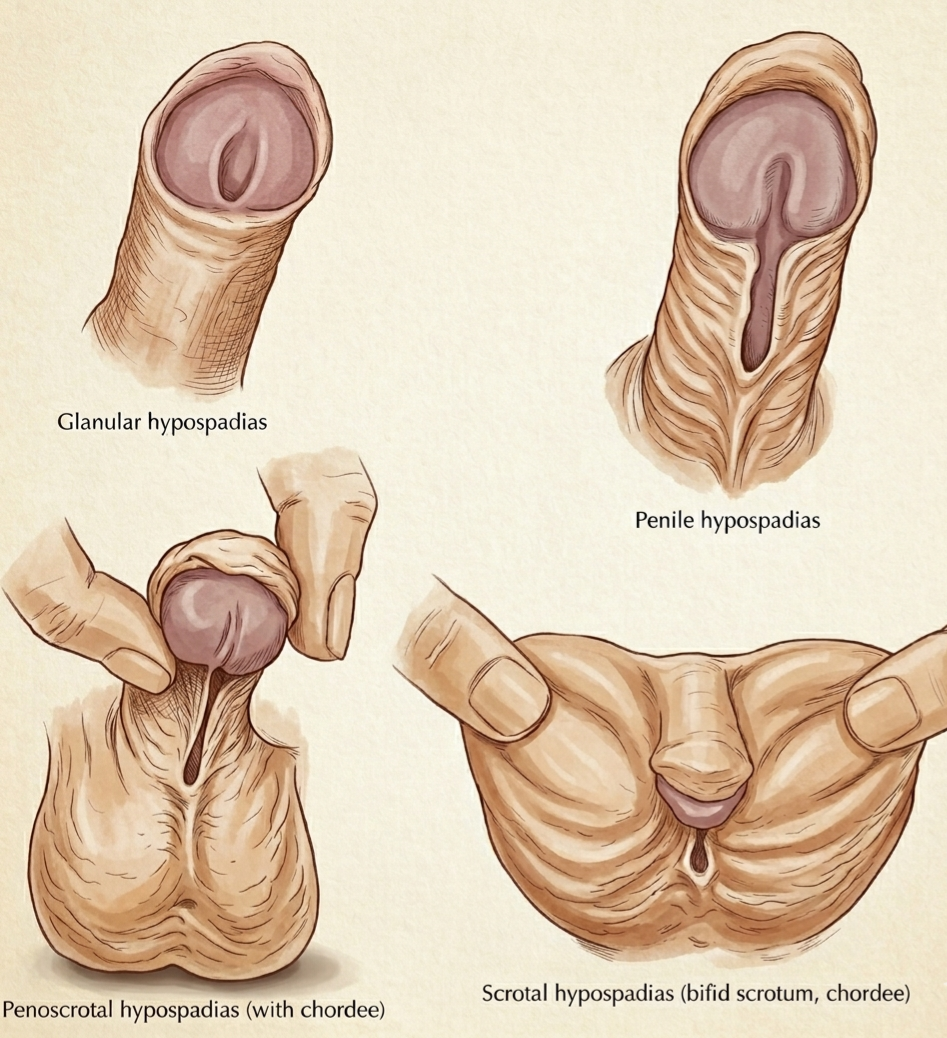
• Epispadias (abnormal positioning of the urinary opening);
• Developmental abnormalities of the external genitalia;
• An increased risk of urinary tract infections and kidney-related problems.
Is it treatable?
Yes. Bladder exstrophy can be successfully treated with modern pediatric urology and reconstructive surgery methods. The primary goals of treatment are:
• To close the bladder and repair the abdominal wall;
• To improve urinary continence;
• To protect the kidneys;
• To ensure the normal development of the genitals;
• To improve the child's future quality of life.
Treatment often begins within the first few days after birth. Some children may require multi-stage surgeries.
What is the child's life like after surgery?
After timely and proper treatment, most patients can attend school, participate in sports, and lead a normal life like their peers. However, they must undergo regular check-ups with a pediatric urologist. Kidney and bladder function, as well as the degree of urinary continence, are regularly evaluated.
Recommendations for Parents
If your child has been diagnosed with bladder exstrophy:
• Do not panic;
• Consult an experienced pediatric urologist and reconstructive surgeon;
• Obtain complete information about the stages of treatment;
• Do not miss regular follow-up appointments;
• Provide emotional support for your child.
Today, many children born with bladder exstrophy are leading healthy and active lives thanks to modern surgery.
Conclusion
Bladder exstrophy is a rare but treatable birth defect. Early diagnosis, care from a qualified specialist, and modern reconstructive surgeries significantly improve a child's quality of life and preserve kidney function.